Kakadu National Park is one of Australia’s most beautiful and culturally rich places. Located in the Northern Territory, it’s nearly 20,000 square kilometres, making it Australia’s largest national park. A UNESCO World Heritage Site, Kakadu has stunning landscapes, wildlife and Aboriginal cultural heritage. This old land has so many unforgettable moments and stories. Whether you’re flying in during the wet or road tripping through dirt roads in the dry, Kakadu is a dynamic place where every visit is different.
Contents
Ancient Aboriginal Culture
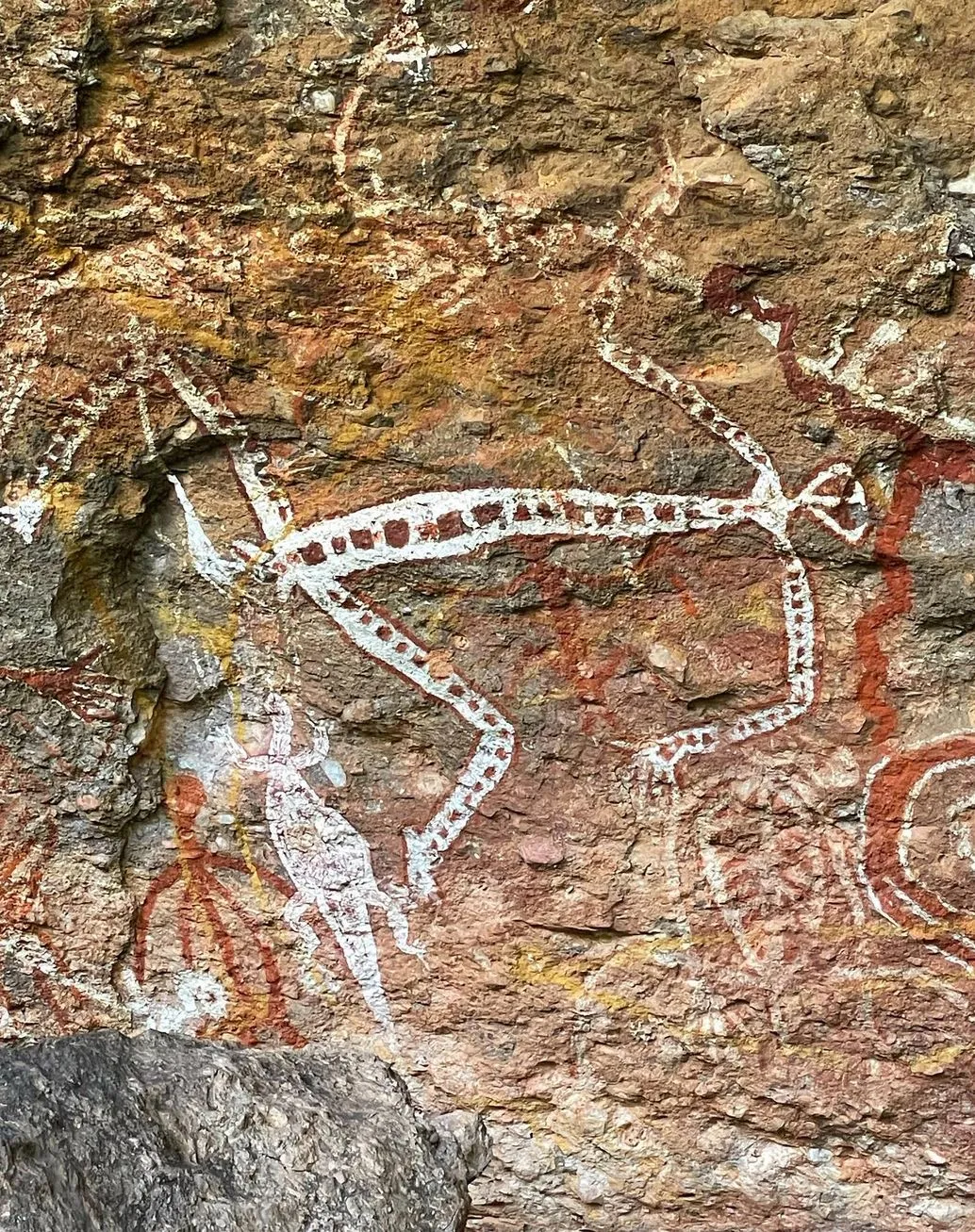
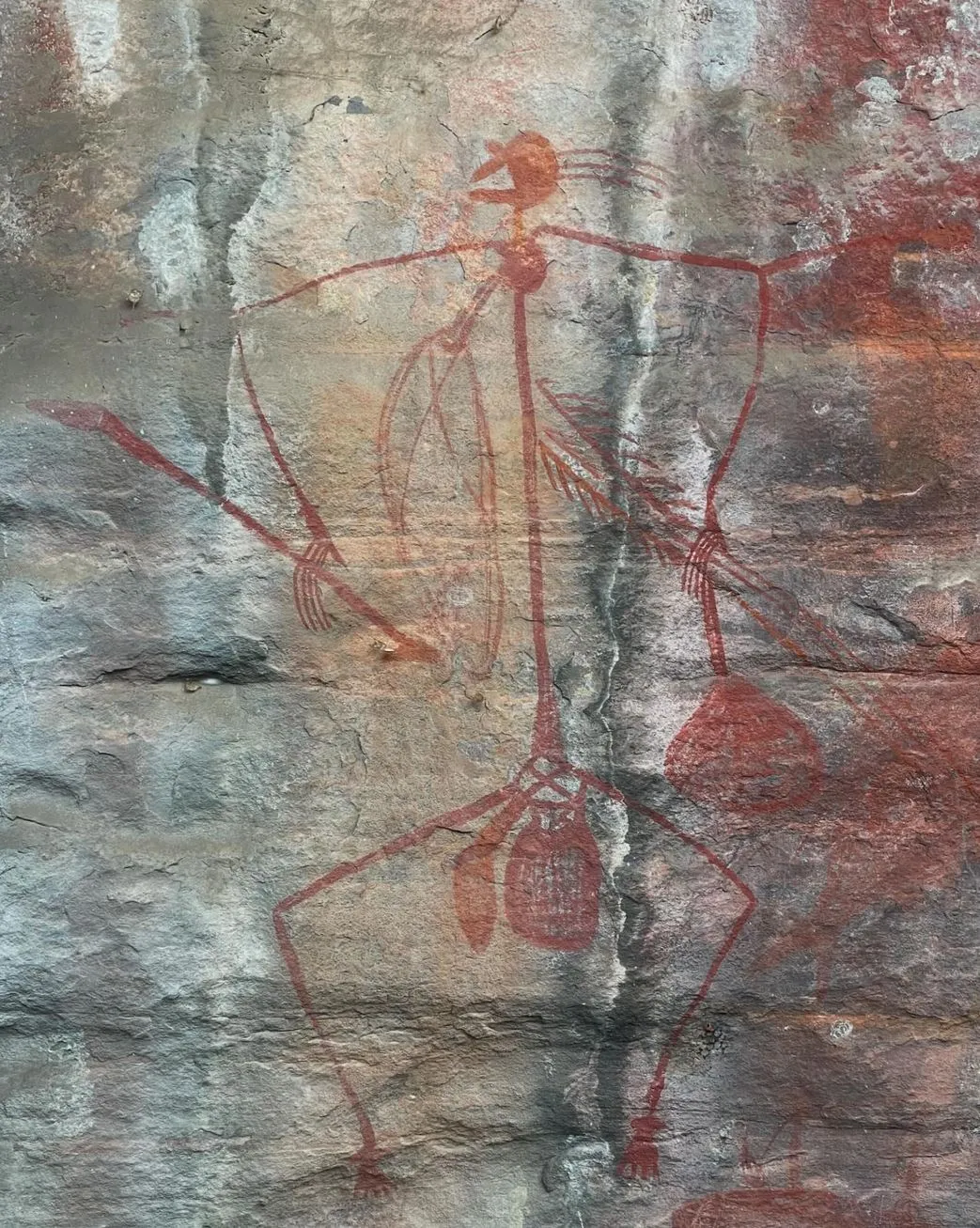
Kakadu is home to one of the oldest living cultures on Earth. The Indigenous people, the Bininj/Mungguy traditional owners, have been here for tens of thousands of years. Their creation stories and spiritual beliefs are etched in ancient rock art across hundreds of sites, including Ubirr and Nourlangie. These cultural sites are visual records of Aboriginal life and are sacred sites for the local communities.
The cultural landscape of Kakadu comes alive through guided tours with park rangers and Indigenous custodians who share stories passed down through generations. These tours give you a unique insight into the cultural significance of rock art sites in the stone country and rocky outcrops.
Breathtaking Views and Landscapes
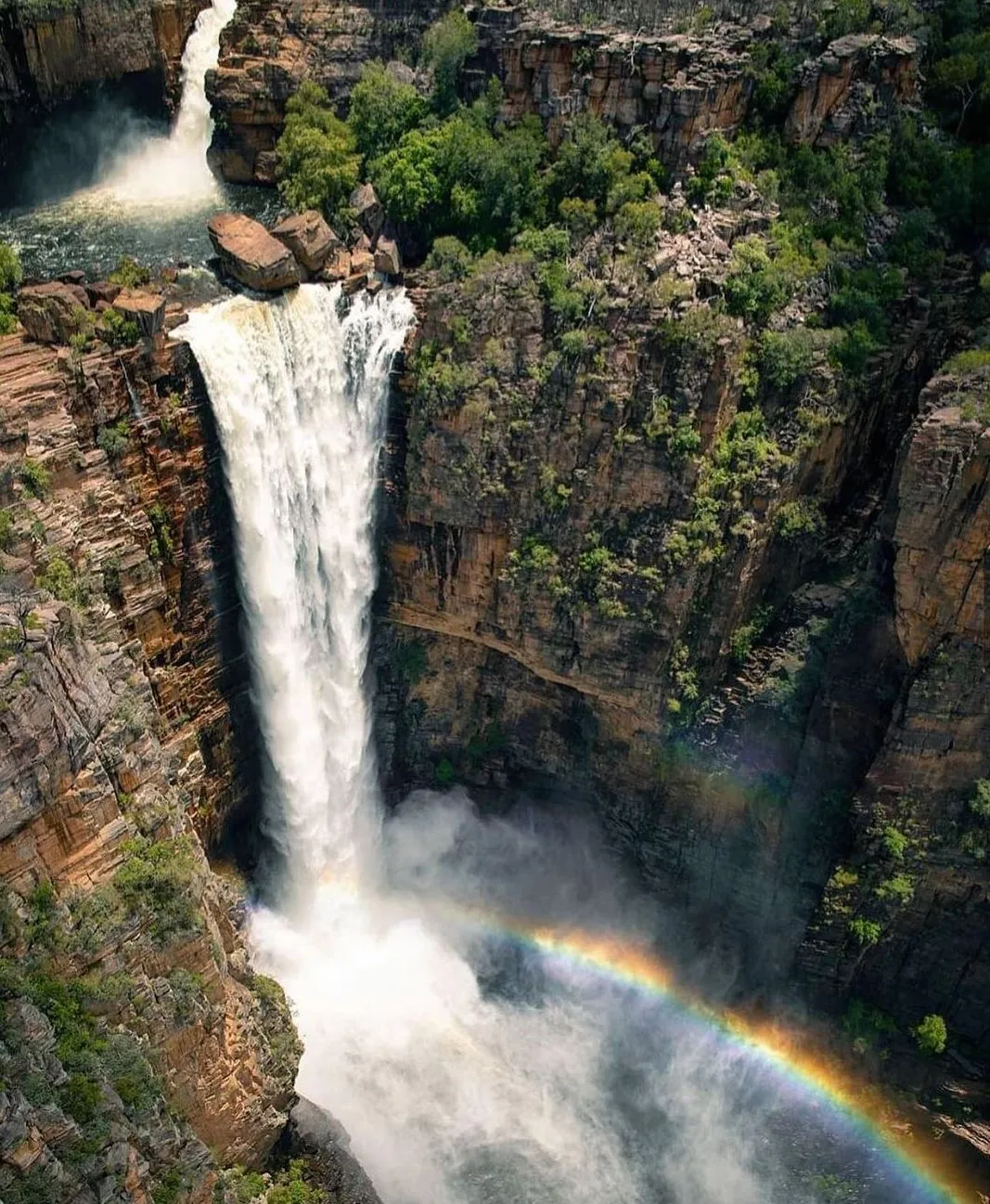
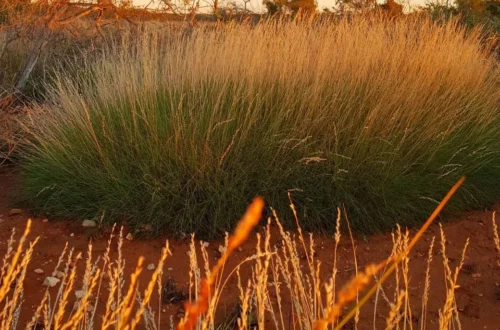
Kakadu’s terrain is sandy beaches, monsoon forests, escarpments and floodplains that change with the seasons. The contrast between the green of the wet season and the gold of the dry season is the park’s natural rhythm. Scenic flights in the wet season give you panoramic views of famous waterfalls like Twin Falls and Jim Jim Falls at full flow – an experience you’ll never forget.
In the dry season, cooler temperatures and lower humidity make the hiking trails and unsealed roads more accessible. This is the time to explore the ancient landscapes on foot and find secluded waterfalls and iconic spots across the park.
Popular Attractions in Kakadu National Park
| Attraction | Key Features | Best Season to Visit |
|---|---|---|
| Ubirr Rock Art Site | Ancient rock art, panoramic views | Dry Season |
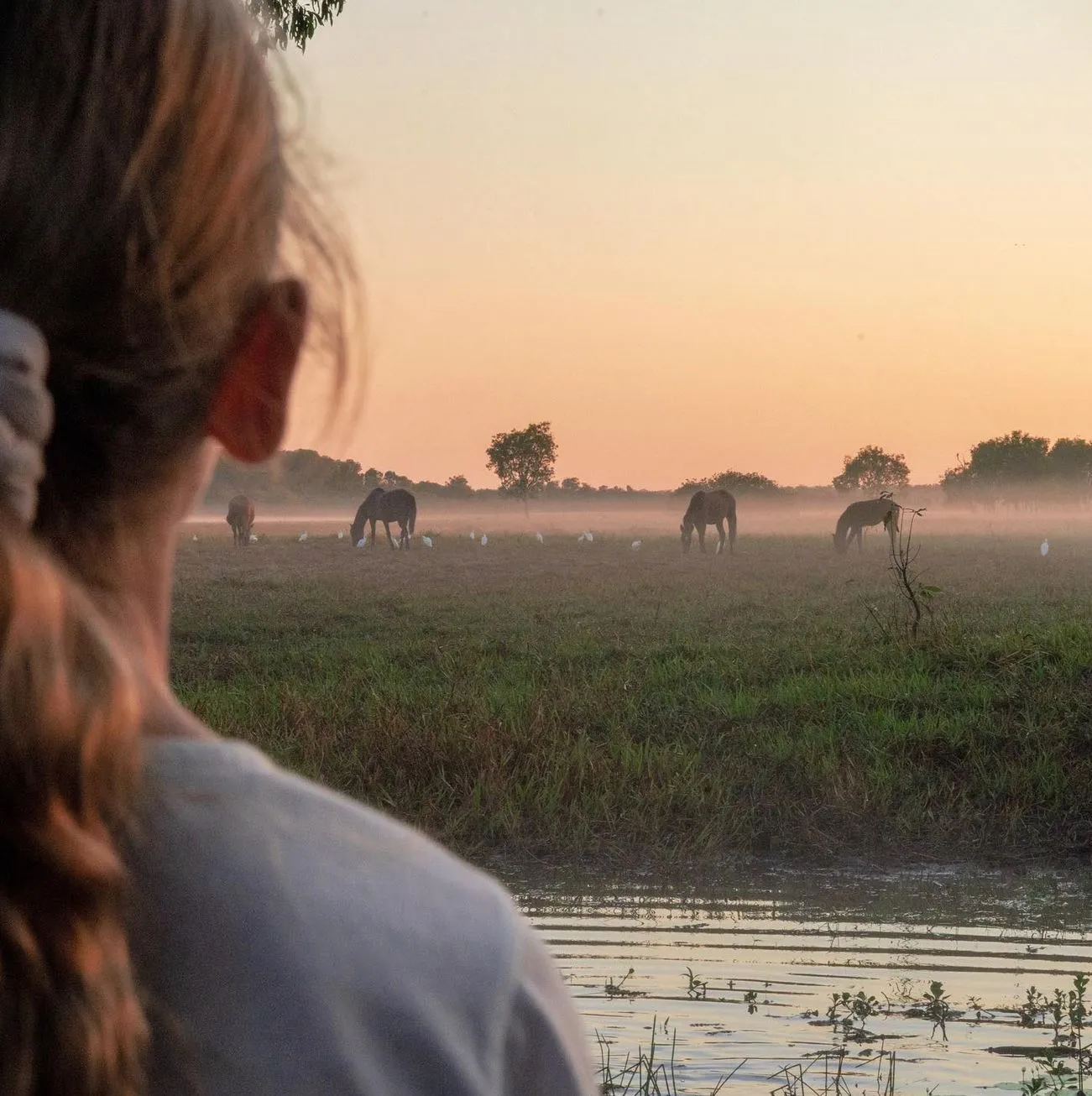
| Yellow Water Billabong | Boat cruises, saltwater crocodiles, and birdlife | Both Seasons |
| Jim Jim Falls | Famous waterfall, swimming, hiking trail | Dry Season |
| Nourlangie | Aboriginal culture, rock art, and stone country | Both Seasons |
| Gunlom Falls | Infinity pool, walking trails, scenic views | Dry Season |
| Maguk Gorge | Secluded waterfall, plunge pool | Dry Season |
| Mamukala Wetlands | Wildlife viewing, walking path | Wet & Early Dry Season |
Here are some of Kakadu’s must-sees and best times to visit. Many of these are included in 2 day Kakadu tours from Darwin so you can experience the diversity of the park in a short time.
Wildlife and Nature
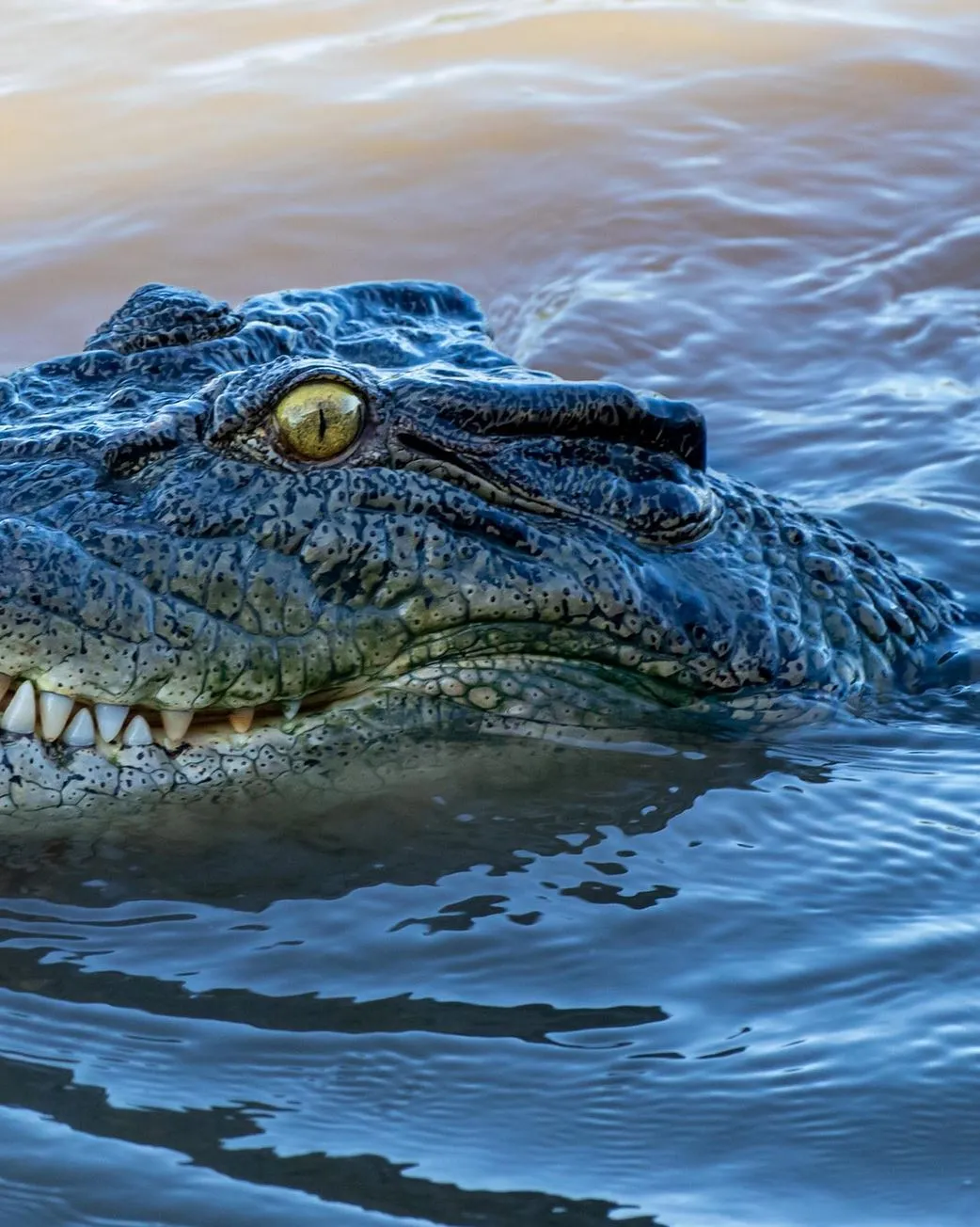
Kakadu has an incredible amount of flora and fauna. With over 2,000 plant species, estuarine crocodiles, wallabies and many bird species, there’s plenty of wildlife to spot. Saltwater crocodiles are the icon of this environment and are often seen on boat cruises along Yellow Water Billabong.
Whether you’re looking out at exotic wildlife from a scenic lookout or gliding past birds and reptiles on a peaceful boat cruise, the wildlife of Kakadu will leave you in awe. Families and nature lovers can also join ranger-led programs that focus on the park’s biodiversity and traditional uses of native plants.
Waterfalls, Swimming Holes and Infinity Pools
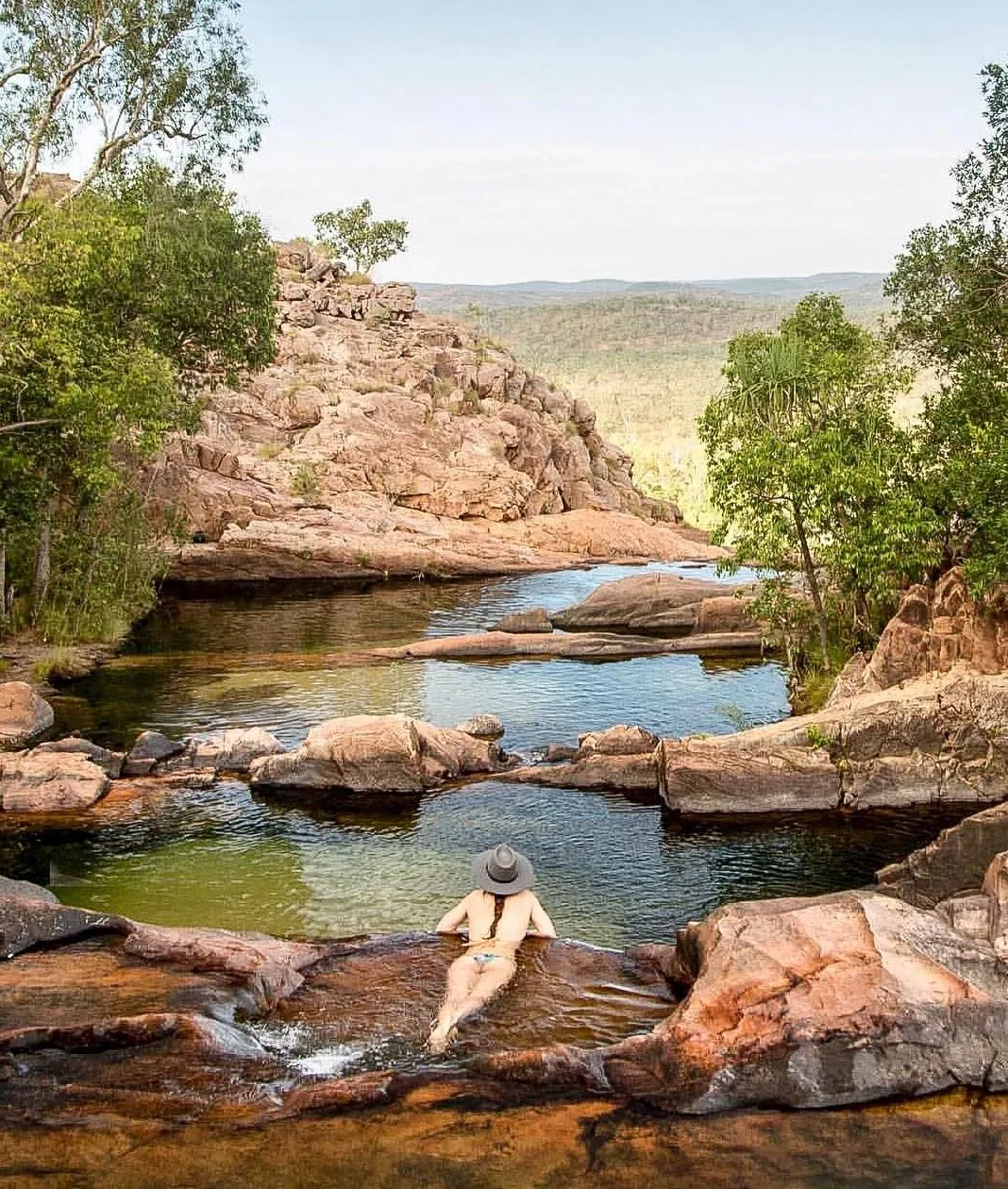
No trip to Kakadu is complete without a dip in one of its pristine plunge pools. In the dry season Maguk, Gunlom and the upper pools of Jim Jim Falls are open and safe to swim. These natural swimming holes are set in a beautiful landscape and are the epitome of laid-back luxury and the perfect spot to watch the sunset.
The infinity pool at Gunlom has one of the most famous views in Kakadu, looking out over the ancient land and stone country. Walking trails take you through monsoon forests to these peaceful waterholes, many of which are hidden beneath waterfalls that are invisible from view.
Seasons and Environments
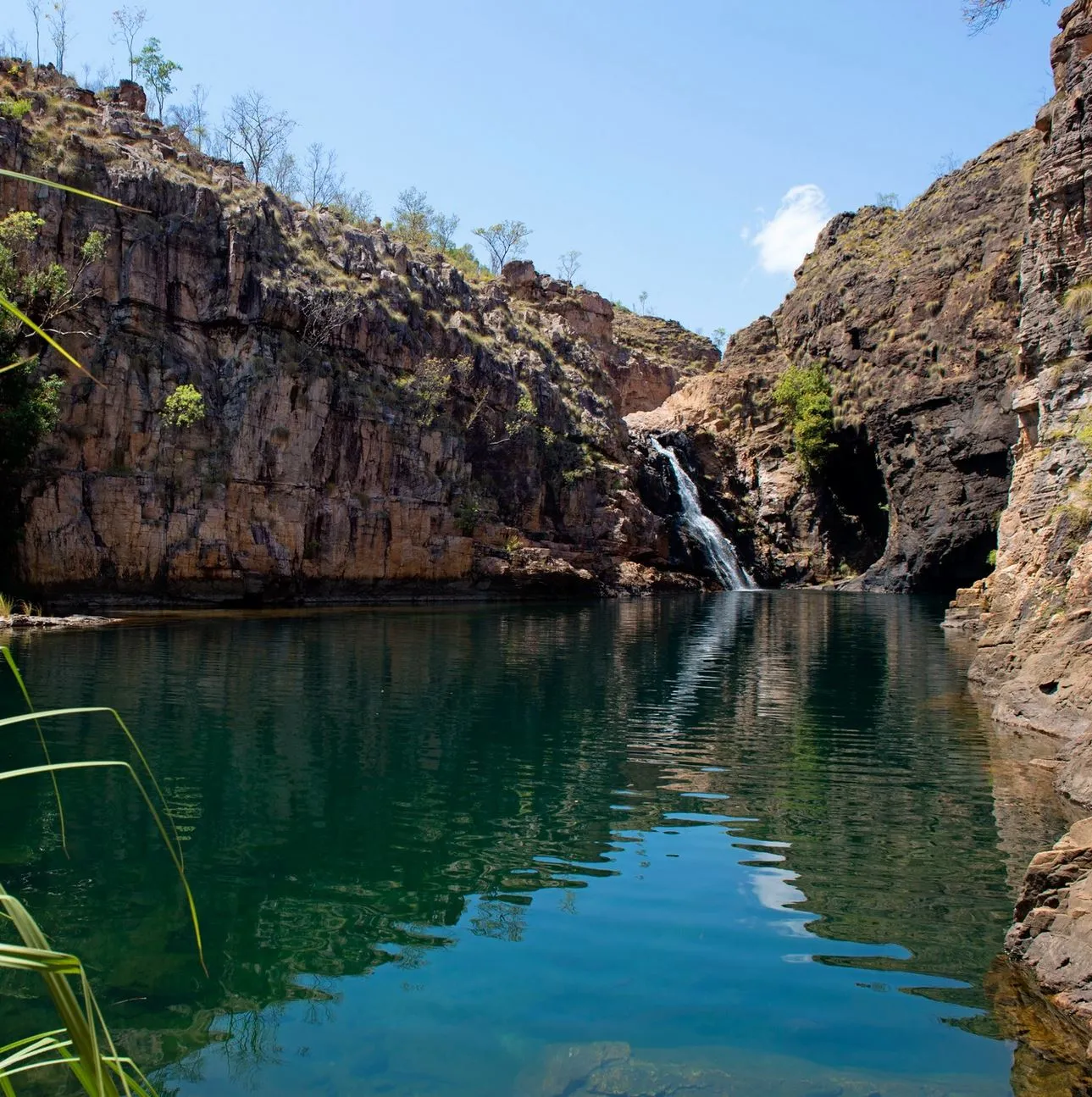
Kakadu has two main seasons—the wet and dry—and each one transforms the landscape in amazing ways. The wet season (November to April) is green, with dramatic skies and flowing rivers. Scenic flights are super popular during this time and show the full power of the park’s waterways and remote cultural sites that can’t be accessed by road.
The dry season (May to October) is clear skies, cooler temperatures and dirt roads and unsealed roads. This is the best time for long hikes, cultural and archaeological sites and remote areas of the park.
Cultural Sites and Nearby Attractions
Cultural significance is everywhere in Kakadu from archaeological sites to sacred rock shelters and ceremonial grounds. Each trail and lookout is an opportunity to connect with thousands of years of Indigenous culture.
If you want to extend your Top End adventure nearby destinations like Litchfield National Park, Nitmiluk (Katherine Gorge) and Arnhem Land offer more experiences. Many people choose Wildlife Tours for expertly guided trips that combine Kakadu with other Top End highlights so you have a seamless and informative trip.
If you’re short on time but want to experience the magic of the Top End Kakadu tours from Darwin are the way to go. These short itineraries include scenic highlights, Aboriginal cultural sites and waterfalls and walking trails without the need for a long holiday.
Planning Your Visit and Park Access
All visitors to Kakadu must purchase a park pass which goes towards the maintenance and preservation of this World Heritage site. The pass also supports local communities and the park rangers who protect the park’s natural and cultural heritage.
Whether you’re looking for deals on flights or planning a multi-day camping and hiking trip Kakadu has endless opportunities to connect, discover and be in awe. From ancient rock art to country roads, every detail is part of the once-in-a-lifetime experience.
FAQ
When should I visit Kakadu?
Dry season (May to October) is best for walking trails, dirt road access and swimming. Wet season (November to April) is for lush green landscapes, waterfalls and scenic flights.
Do I need a park pass to enter Kakadu?
Yes, a Kakadu park pass is required. It helps support park rangers, infrastructure and conservation and can be purchased online or at entry points.
Can I swim in Kakadu National Park?
Yes, but only in designated swimming holes like Maguk, Gunlom and Jim Jim Falls’ upper pools during the dry season. These areas are monitored for safety.
Are there guided tours in Kakadu?
Yes. Options include Aboriginal culture tours with traditional owners, scenic flights, wildlife boat cruises and multi-day tours from Darwin.
Is Kakadu suitable for families?
Yes, with ranger-led activities, family-friendly walking trails and animal life up close Kakadu is great for kids and adults.